
September 30, 2026
Seven Signs Your Boat Needs a Hull Cleaning
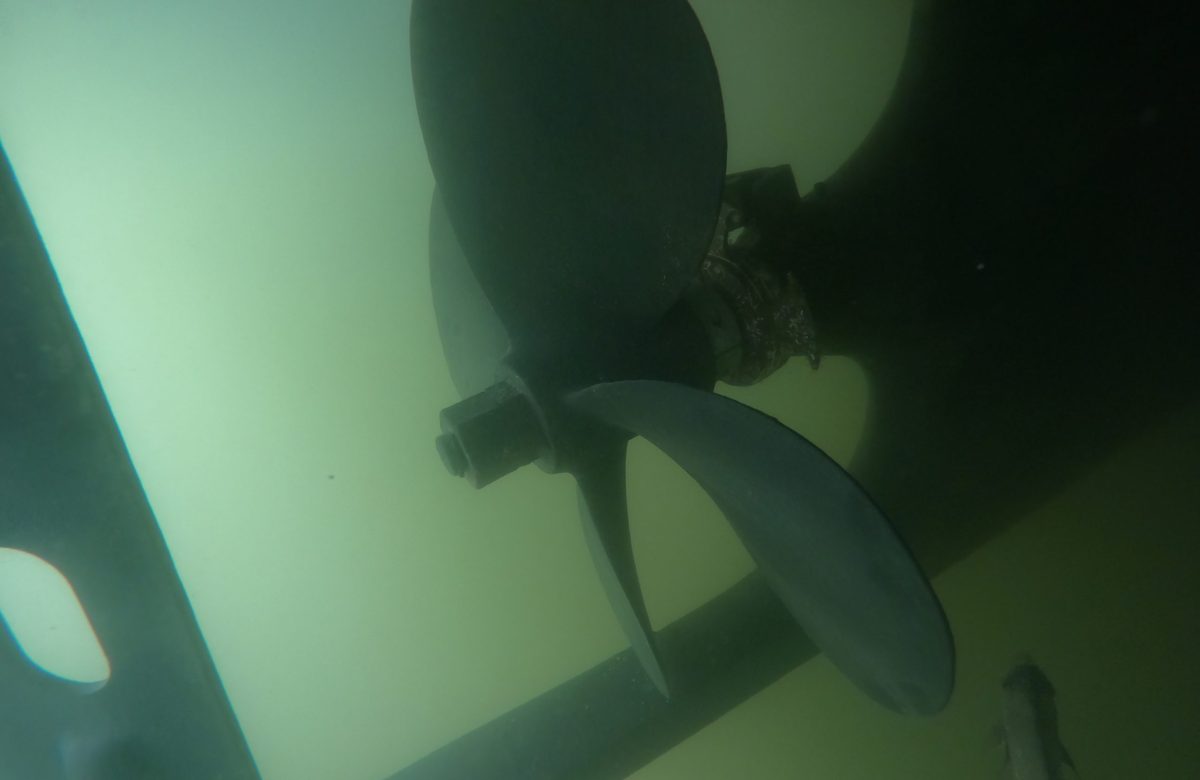
Most owners find out their hull is dirty by looking at it, which means they find out late. Marine growth affects how the boat behaves well before there is anything dramatic to see, and the performance signs show up first.
Here is what to pay attention to.
1. You have lost top-end speed
The most reliable indicator. Growth adds drag, drag costs speed, and you will notice it as a boat that no longer reaches the numbers it used to at the same throttle.
This creeps. It does not arrive one morning, it degrades gradually over weeks, which is exactly why owners adapt to it without registering what happened. If you have quietly stopped expecting the speed you used to get, that is the sign.
2. Fuel consumption has climbed
Same cause, different symptom. The engine is working harder to push a rougher hull through the water, and you pay for that on every trip.
If your fuel burn for a familiar run has gone up and nothing else has changed, look at the bottom before you look at the engine.
3. The boat feels sluggish getting on plane
Drag is most noticeable in the transition. A boat that takes longer to get up, or needs more throttle to do it, is telling you about its bottom.
4. New vibration
This one matters more than the others because it points at the running gear specifically. Growth on propellers and shafts unbalances them, and an unbalanced propeller at speed vibrates.
Vibration is not just unpleasant. It accelerates wear on bearings, seals, and struts. If vibration is new, get the running gear looked at rather than waiting for the next scheduled cleaning.
5. It has been more than a month
In Tampa Bay, time alone is a reasonable indicator. Most boats here need cleaning every three to four weeks. Warm Gulf water grows fouling quickly and there is no dormant winter season the way there is in cooler climates.
The right interval varies with how often you run the vessel, your bottom paint type and age, and where the boat sits. But if you are past a month and have not thought about it, you are probably due.
6. The boat has been sitting
Counterintuitive, and important. An unused boat fouls faster than one that runs regularly, because nothing disturbs the growth. Movement through the water knocks off soft growth before it establishes. A boat that never moves gives it a stable surface to build on.
Seasonal owners get caught by this constantly. The vessel sat for four months, nobody was looking at it, and the first trip of the season starts with a hull in worse shape than it was in heavy use.
7. You can see growth at the waterline
The visible one, and the latest one. If there is growth where the hull meets the water, there is considerably more below it where you cannot see. The waterline is the last place it shows up, not the first.
What waiting actually costs
Three things, and they compound:
Performance, continuously. Every trip with a fouled hull costs fuel and speed. That is not a future cost, you are paying it now.
A harder cleaning. Soft recent growth comes off quickly. Growth left to harden bonds to the surface and takes substantially more work to remove, so the cleaning you postponed costs more than the one you skipped.
Your bottom paint. This is the one that bites. Removing hardened growth requires more aggressive technique than removing soft growth, which is harder on your coating. Owners who clean on a schedule get more life out of their paint than owners who clean occasionally. The irony is that letting it go to save money shortens the life of the most expensive part of the system.
There is also the anode question. A regular cleaning schedule means someone is looking at your anodes every few weeks. Catching a spent anode before it stops protecting your running gear is routine. Finding out after the fact means replacing a shaft or a propeller instead of a block of zinc.
What a cleaning should include
Not all of this is standard, so it is worth knowing what to ask for:
- In-water service. Hull cleaning, anode replacement, and most underwater work is done by divers with the vessel in the water. No haul-out required.
- Running gear attention. Props, shafts, and underwater hardware, not just the hull surface.
- Anode inspection. Condition reported every visit, replacement when they are spent rather than on a fixed calendar.
- A dive report with photos. Bottom paint condition, growth patterns, anode state, and anything observed that deserves attention. This is how you know what is happening down there without getting in the water yourself.
Setting the right interval
Three to four weeks suits most boats in this area, but the honest answer is that it depends on your vessel, your paint, and where you keep it. Protected canals grow differently from open bay. High-flow areas near the passes produce harder growth. A boat that runs weekly fouls differently from one that sits.
We would rather recommend the interval your boat actually needs than put you on a schedule that does not fit it.
Read more about our hull cleaning, or get in touch and we will look at your vessel and tell you where it stands.